


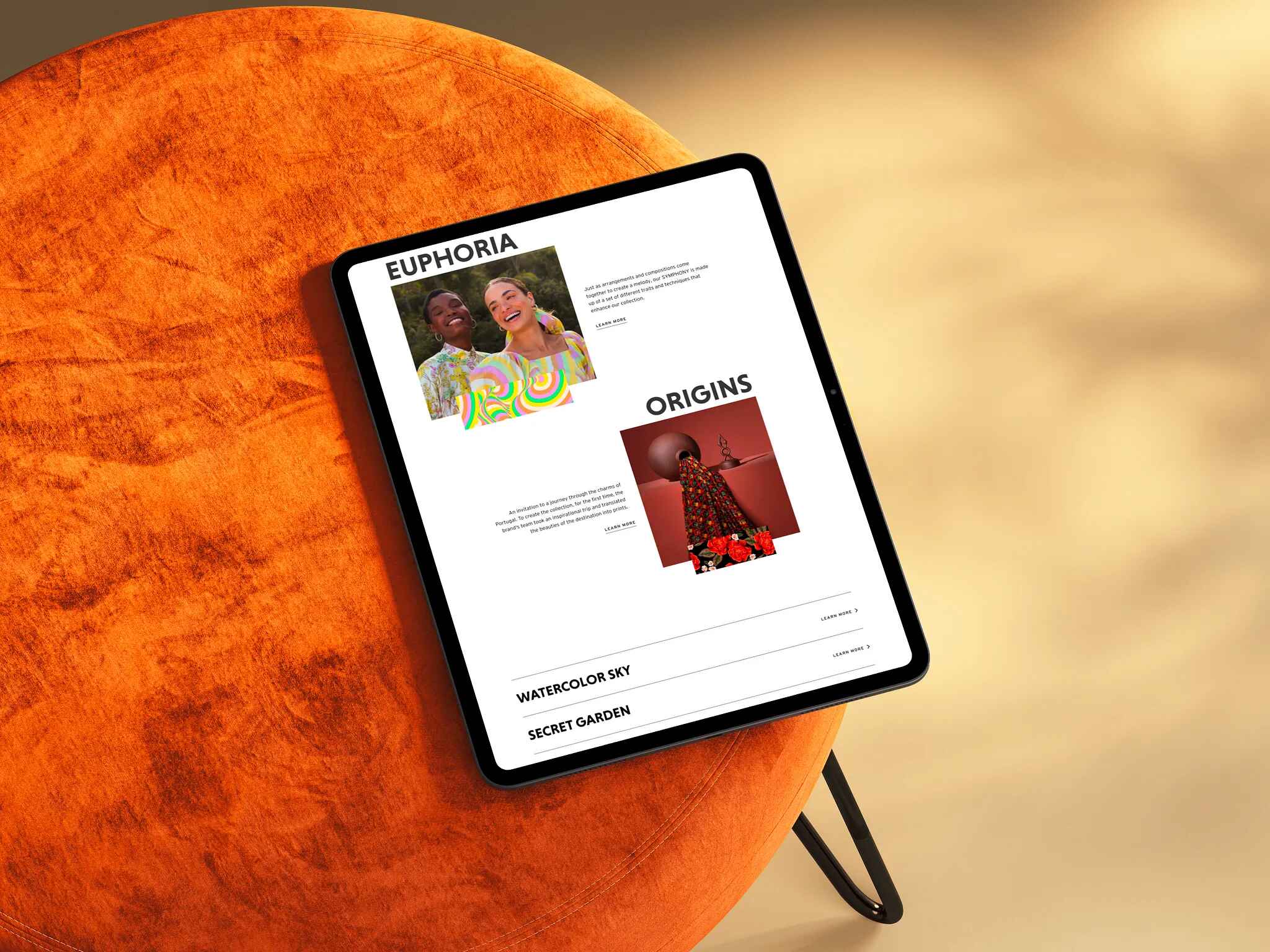
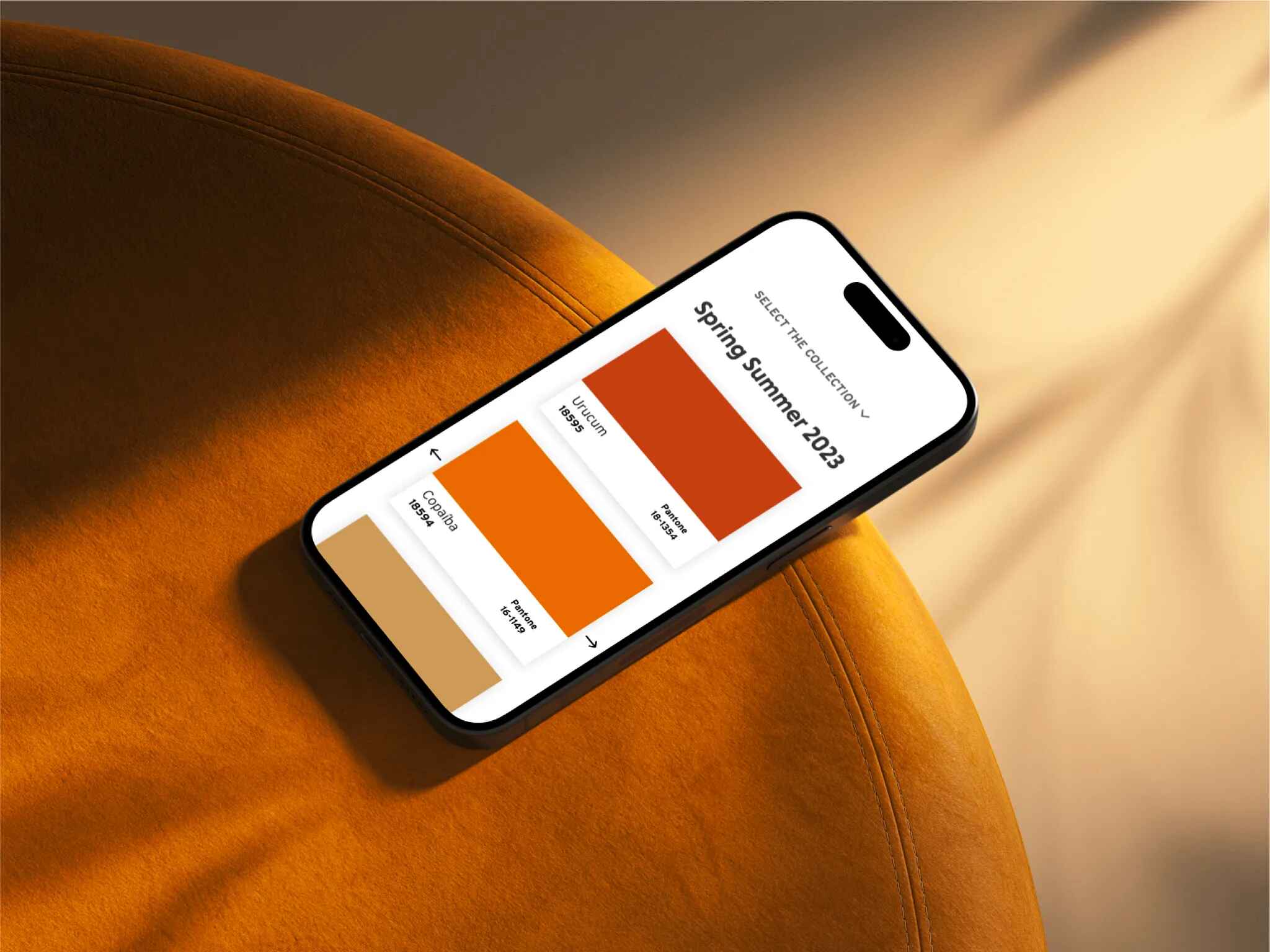
Lunelli Malhas e Tecidos is the textile core of one of Brazil's largest fashion groups.
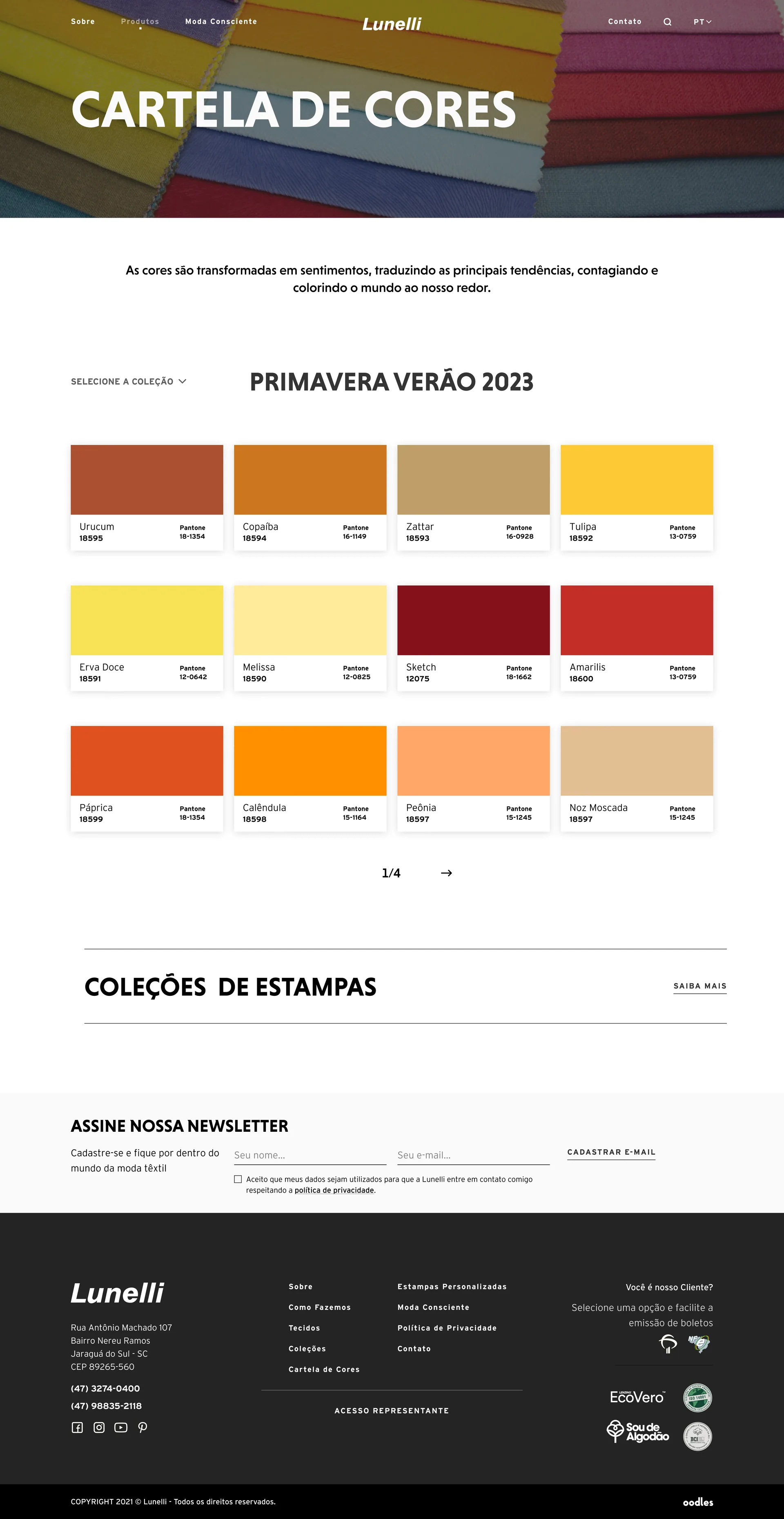
It supplies fabric to the group's own brands (Lunender, Lezalez, Alakazoo, Fico Surfwear, and Hangar 33) and to hundreds of external fashion brands and resellers across the country, who rely on the site to browse and specify fabric for their collections.
Lunelli's B2B buyers had abandoned the website and gone back to printed PDF catalogs.
That left them one collection behind, missing products that could have driven sales, and forced the sales team to push updates by hand that the platform should have handled.
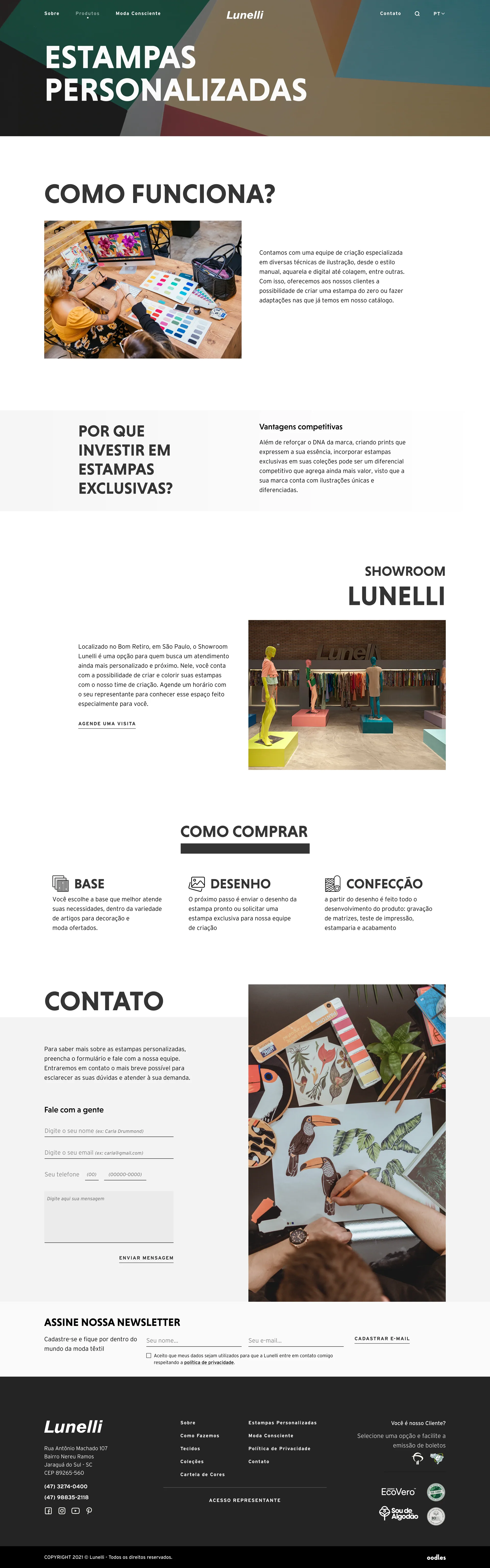
Partner NPS sat at -63 in a Typeform survey run by the agency. Fashion buying runs on detail: product codes, fabric compositions, texture variants, print options, and color references... and the old site gave buyers no useful way to navigate any of it, leaving custom textile services (the thing that closes deals) out of the navigation altogether.
I owned product design end to end, from research and information architecture to flows and visual direction.
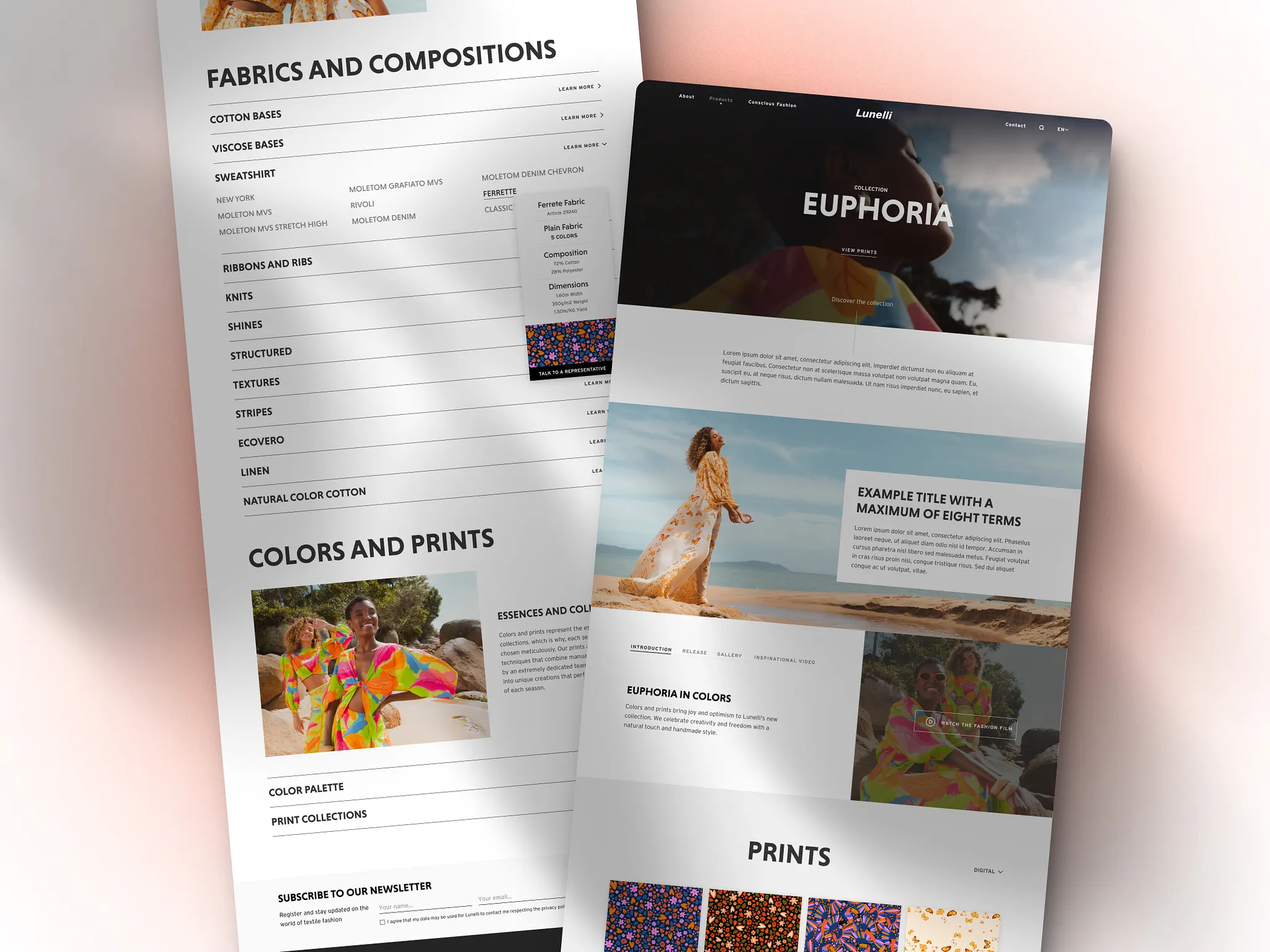
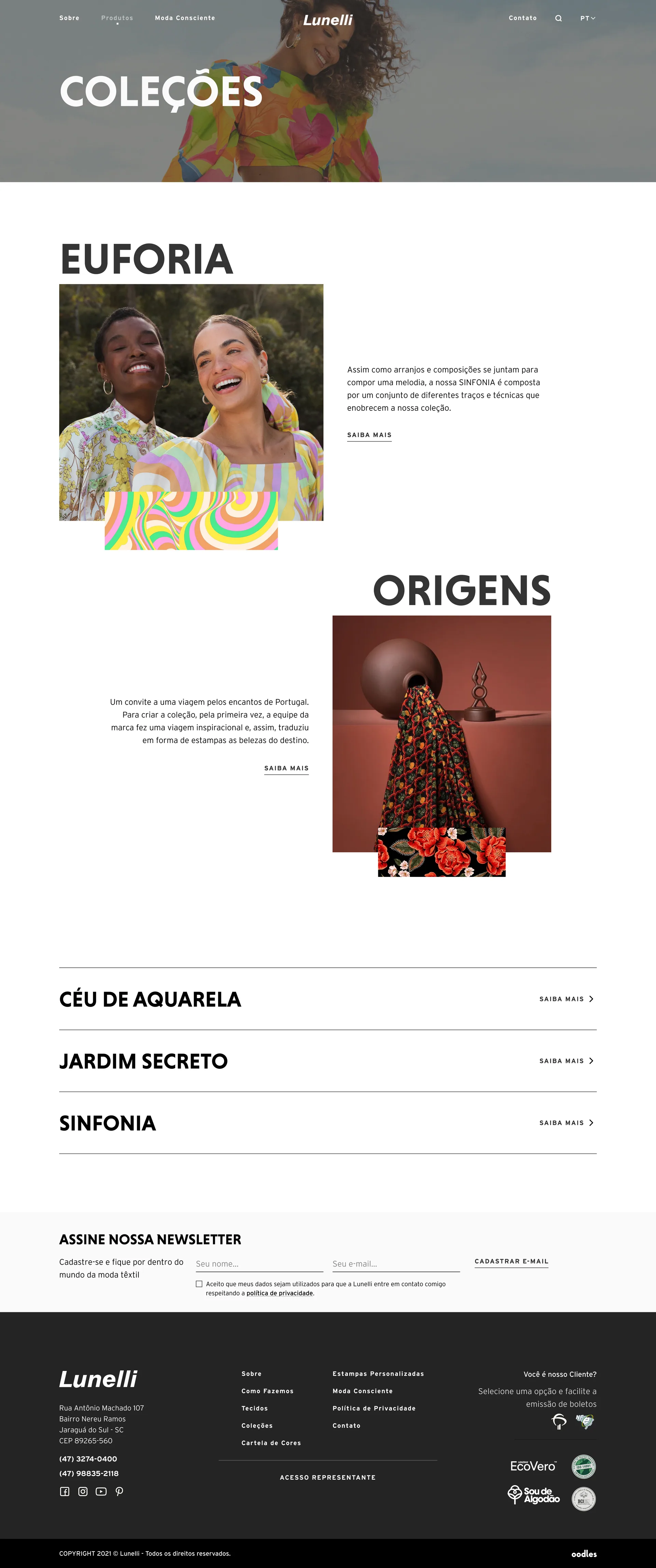
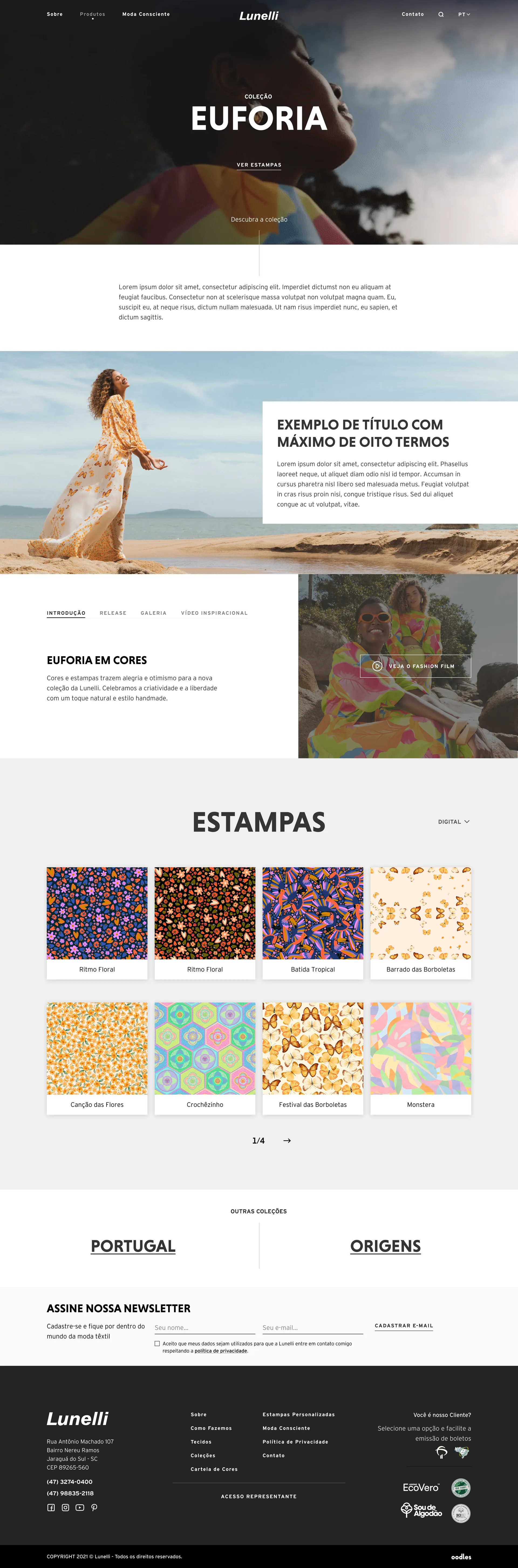
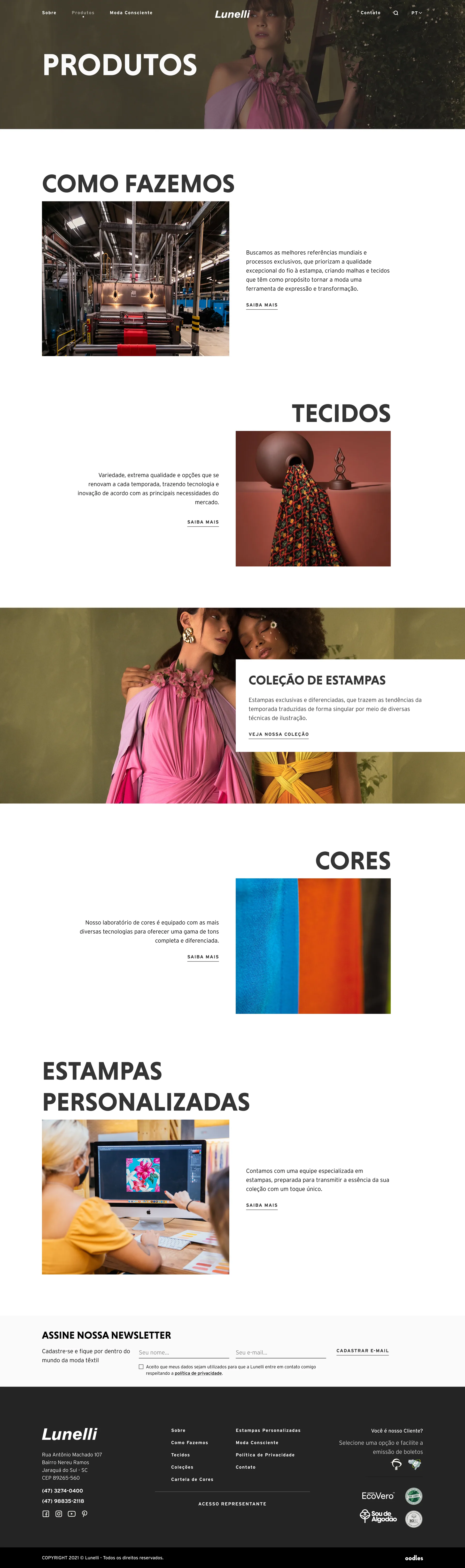
If you are a buyer on a showroom floor with a phone in your hand, you need to find, compare, and specify a fabric fast. The old catalog had been organized around Lunelli's internal structure and brand lines (when users leave for a workaround, I think the org chart is usually where to look first). I reorganized the catalog around how buyers shop: by product type, by collection, and by fabric detail, which meant internal teams lost their old mental map of the site.
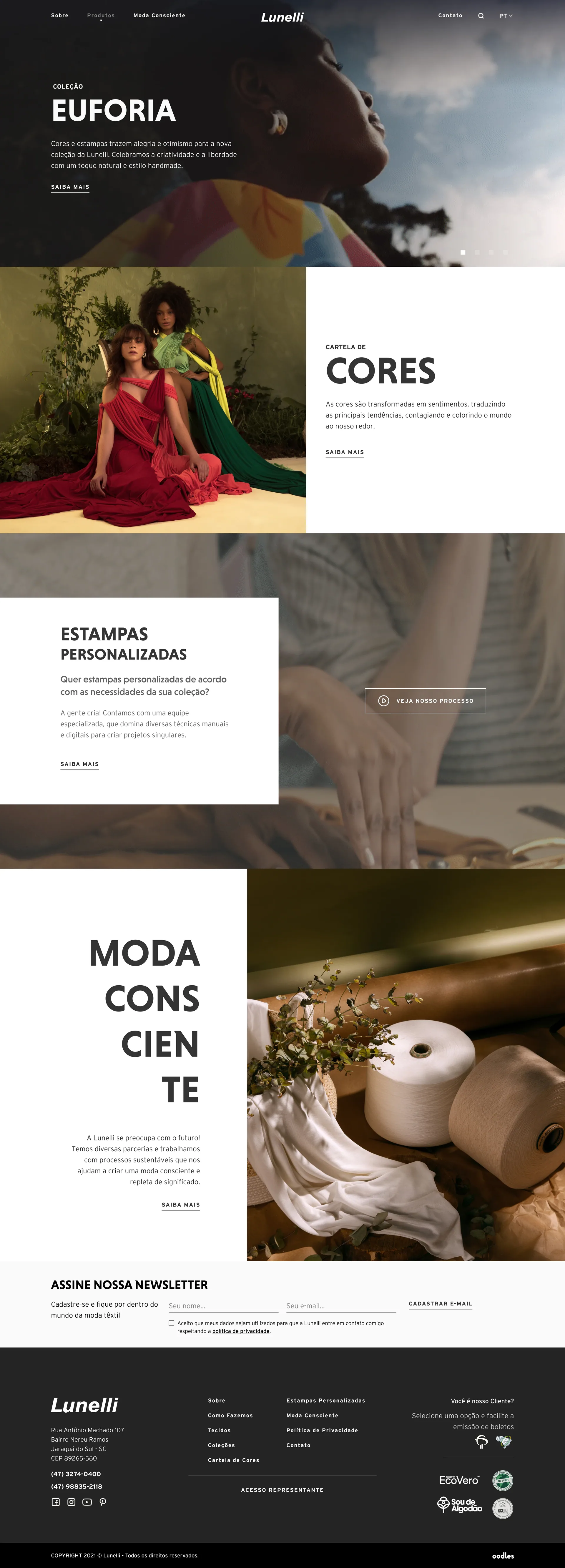
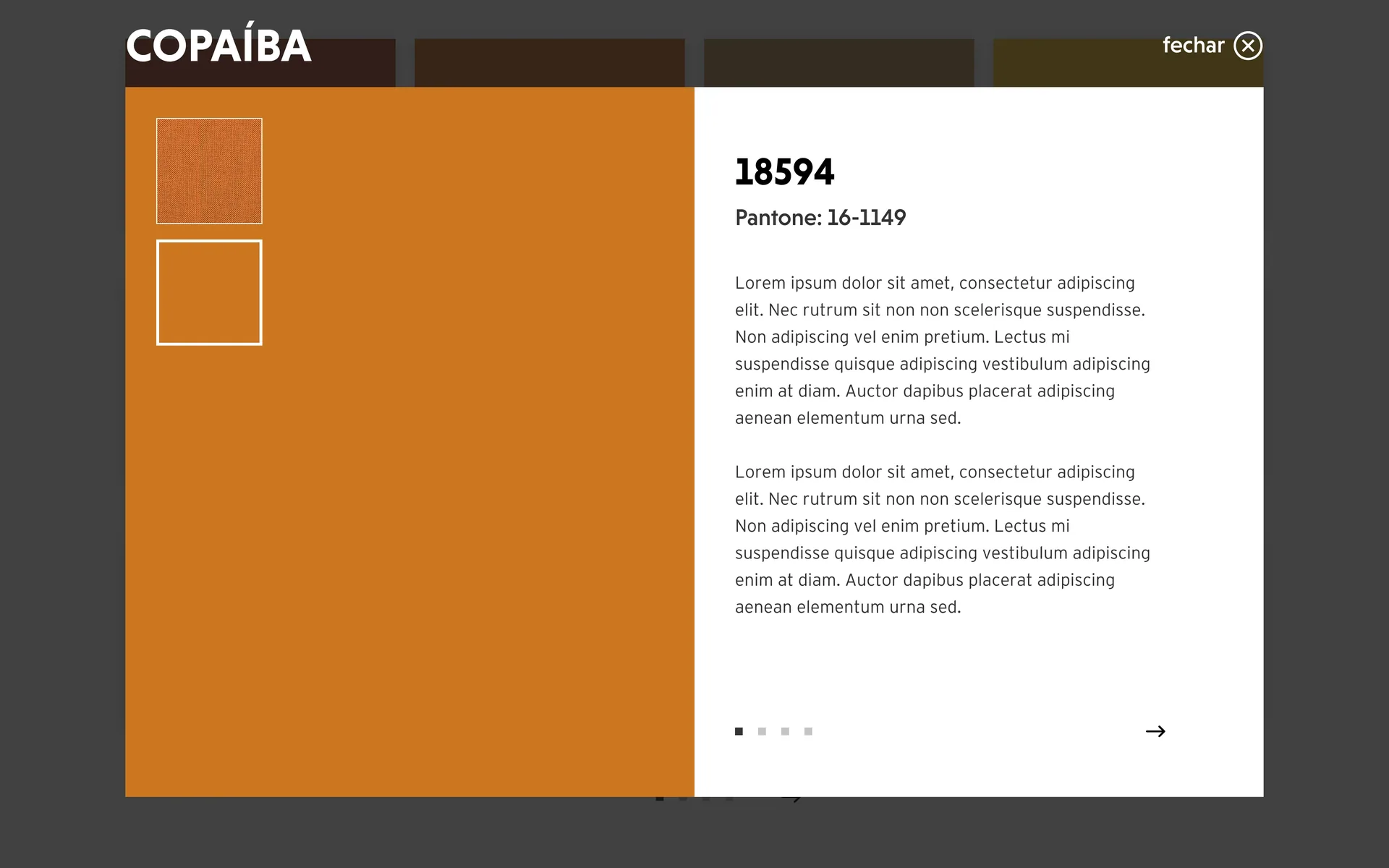
I stripped product pages down to spec: codes, composition, texture, and color, with no marketing stories. Those pages look plainer on screen because they exist to answer a buyer in seconds. Custom print and personalization moved up to the first level of the navigation, so the service that wins contracts no longer depended on a salesperson remembering to mention it.
The visual direction followed a one-word brief: timeless. That meant a neutral palette and editorial typography, in a layout built not to date itself in two years.
Site traffic grew 312% in under six months, tracked in Google Analytics by the partner agency.
Partner NPS went from -63 to +42 in a single quarter, a 105-point swing.
Off the dashboard, buyers stopped asking for the PDF and the sales team stopped compensating by hand.